Artistic activities can be an exciting and fun way for children to express themselves. They can explore different materials, create their own imaginary worlds and let their imagination run wild. This can help improve concentration, which is vital in all areas of their lives.
Music
Music can help children express themselves creatively. It’s also a fun way to learn new skills. For example, listening to music allows children to hear the difference in timbres, or the sound quality of different instruments and voices. It also teaches them about melodic direction (whether a melody goes up or down).
Sports
When kids participate in team sports they learn a number of positive life lessons. From channeling negative emotions into positive energy, to practicing discipline and respect for rules and coaches – these principles will serve them well in their future lives.
Children will also learn to work as a part of a team, overcoming obstacles together. This experience is valuable, especially in later life when they start their own careers and businesses.
Writing
Writing is a creative outlet for thoughts, feelings and emotions. When kids are able to articulate their ideas on paper, it allows them to develop a deeper level of self-expression and discover their unique voice. This discovery helps kids feel confident and supported which in turn builds their overall confidence.
The question of whether or not you should send your child to private education is more complicated than simply assessing finances (although that plays a part). Private schools provide unique educational experiences that can help students flourish academically and give them an excellent chance at getting into top-tier colleges. You may also be considering sending your child to a private nursery in Glasgow, which can also help your child in their years leading up to school.
Smaller Classrooms
One of the main reasons parents choose to send their children to private schools is for the small class sizes. Smaller classrooms mean that teachers can devote more individual attention to students. They can also use class time to teach students skills that will help them outside of the classroom.
Research has shown that students in smaller classes perform better academically. This is especially true for young students. They need individualized attention to develop their skills and confidence.
More Co-Curricular Options
Private schools typically offer a greater selection of co-curricular activities for their students. These extracurricular activities provide a unique opportunity to help children develop character traits like respect, empathy and self control that contribute to their academic success as well as their overall wellbeing.
Additionally, teachers tend to be highly qualified specialists in their fields who are passionate about their subjects and enjoy engaging young learners. This paired with open communication between parents and administration allows families to become more involved in their child’s education.
More Involvement
If you have a child with behavioural or learning issues, or if the public school in your district is not so hot, private schools may be the answer. However, that should not be the only reason to choose a private education for your child.
Private schools have the flexibility to offer specialised subjects that respond to global trends and current affairs. They also can encourage students to consider the bigger picture and to think about their responsibilities in society as they grow up, preparing them for future leadership roles.
Safe Learning Environment
Students in private schools aren’t exposed to the bullying and intimidation that can occur in public school classrooms. Having a safe learning environment is essential to student academic development.
A safe learning environment helps students focus on their lessons and not worry about being bullied or having to avoid a conflict. The lower staff-to-student ratio of many private schools also allows teachers to better monitor students’ behaviour and intervene when necessary.
Many of us get ‘the talk’ when we reach our erratic teenage years.
However, how often have you had open conversations regarding your menstrual cycle or hormones?
Chances are, none.
You’re not wrong if your menstrual cycle or pregnancy comes to mind when the word hormones comes to mind.
However, hormones have roles to play beyond these phenomena. When you can understand your body and the role hormones have to play in its regulation, only then can you make better-informed decisions about your health.
Here are a couple of frequently asked questions about the female hormone test.
What are Hormones, and Why are They Important?
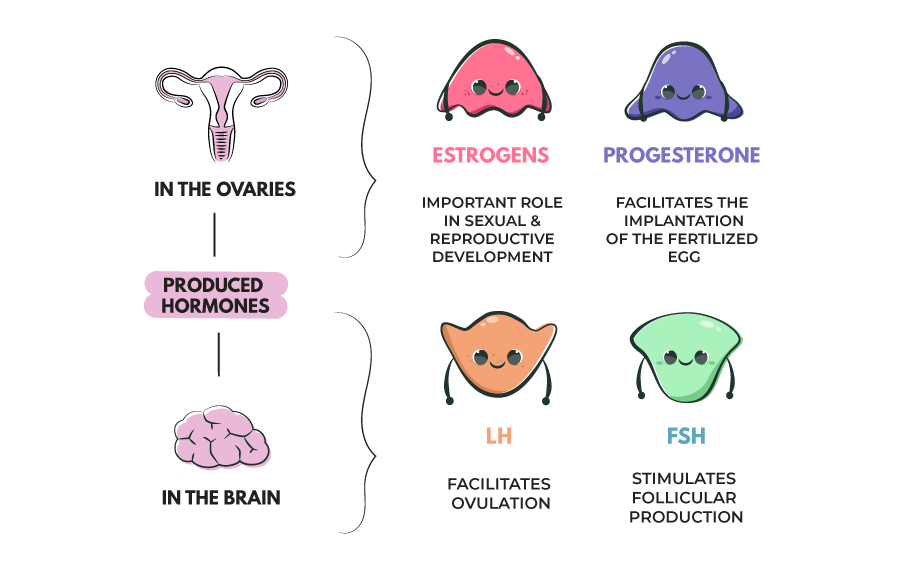
Hormones are chemical molecules moving in your bloodstream, regulating several bodily functions and cycles.
These include your menstrual cycle, sleep cycle and even your growth.
Some common examples of hormones in females are the sex hormones estrogen, testosterone and progesterone. Since these chemicals have such a crucial role in regulation, changes in their concentrations can have a detrimental effect.
How to Know If Your Hormones are Imbalanced?
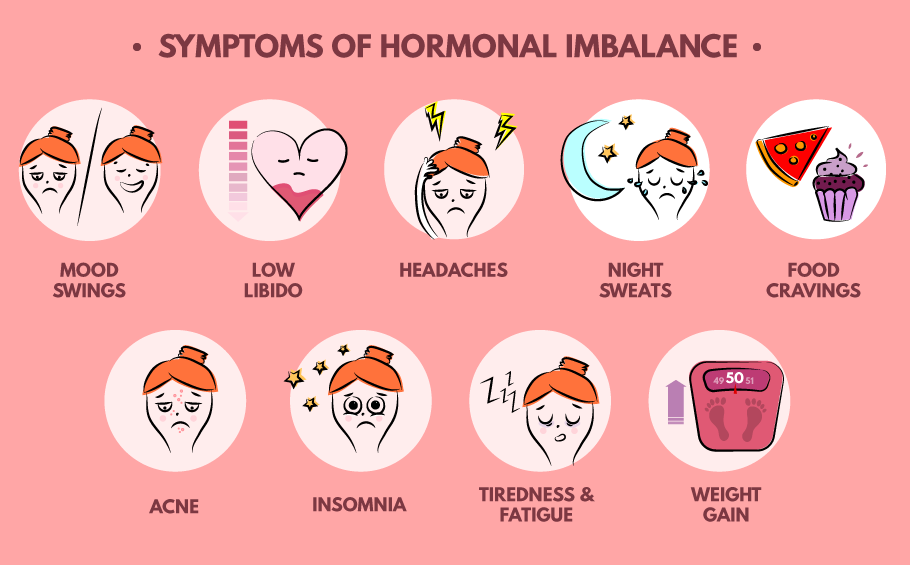
Hormone imbalance can have several manifestations, often varying from woman to woman. However, some common telltale signs include:
· Irregular periods
· Low libido
· Infertility
· Fatigue and brain fog
· Sudden weight gain or loss
· Trouble sleeping
· Frequent mood swings
· Growth of unwanted facial hair
If you have the symptoms above, get a female hormone test done.
.
Hormone Replacement Therapy: What is it?
Hormone replacement therapy is an excellent option for women suffering from hormonal imbalance. This treatment method is so successful because the same hormones are used, which are naturally produced in your body. It’s also commonly used in females who’ve had menopause or have breast cancer or osteoporosis.
Thyroid Hormones: What do They do?
When talking about hormones, thyroid hormones are frequently swept under the carpet. However, they’re just as crucial as your sex hormones.
Thyroid hormones have an essential role in generating energy for every cell in your body. Unfortunately, elevated estrogen levels also happen to inhibit thyroid function, due to which most females suffer from an inactive thyroid. This can cause several issues, such as difficulty shedding weight and even hair loss.
Do Hormones Play a Role in Bone Health?
In short, yes, they do have a role to play.
Parathyroid hormones (unrelated to thyroid hormones) have an essential role in measuring your body’s calcium levels. When these hormone levels increase in your bloodstream, the concentration of calcium in your blood increases, leading to painful medical conditions such as osteoporosis and arthritis.
Does Our Environment Affect Our Hormones?
Hormones are sensitive to one’s environment. This means any external stress, poor nutrition, or chemicals in our products, such as plastics and BPA, can block your hormones and prevent them from functioning correctly. Believe it or not, even an irregular sleep cycle can also hugely affect your hormones.
Bottom Line
Hormones are everywhere. In fact, there are several in your body working right now, making sure your body’s operating correctly. Since they’re so important, it’s crucial to pay special attention to any changes in your cycle and get a female hormone test done for hormone imbalances.
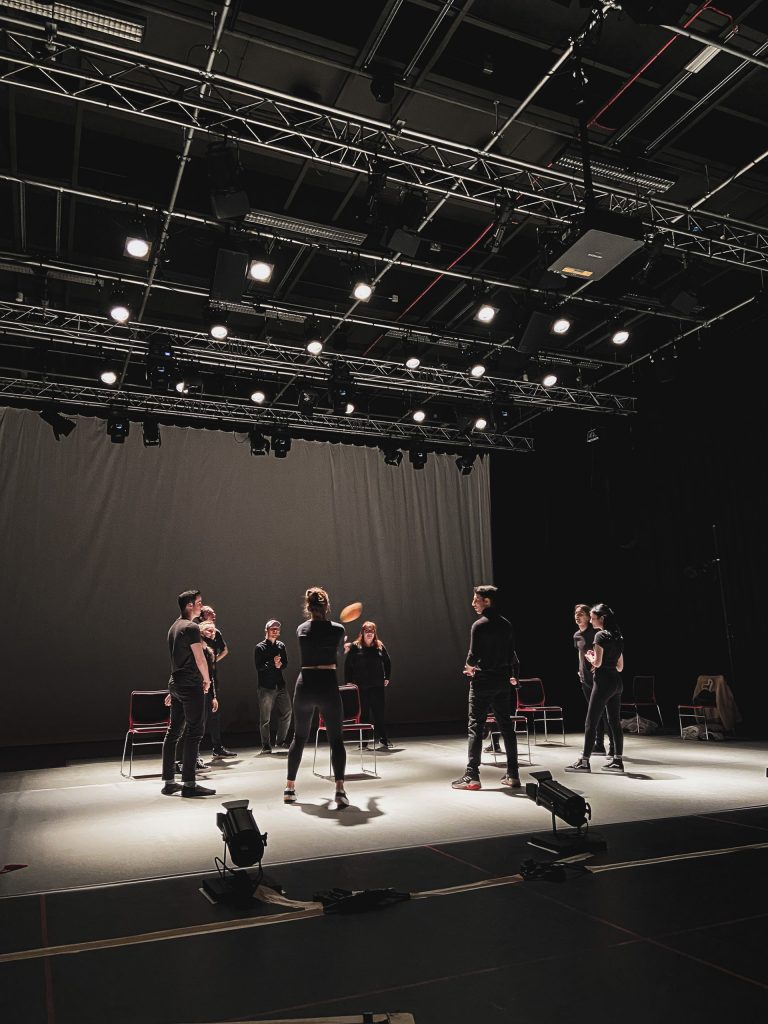
Storage for all sorts of businesses is an extremely useful and necessary service, but there is often a lot of confusion about what kind of storage to use for commercial purposes. And what about theatres? How can they benefit from self-storage? There are many options that should be considered by Broadway artists when it comes to storing their costumes and show decorations and self-storage can be perfect for them. Storing their costumes does not need to be a headache or extremely expensive! Find out about the different ways that many businesses are using self storage in Glasgow.
Why Use Self Storage Glasgow?
Some business owners elect to rent an outside storage Glasgow facility to store their inventory. This alternative can work very well for some businesses especially when the business has very little room inside of the building. Renting a unit like this offers the business owner the ability to get the storage space they need at a very affordable cost. Additionally, businesses that need a lot of security, in case they intend to store expensive items, can choose to rent a unit that offers high-grade security measures. Businesses can choose to have alarm systems installed, security cameras and even electronic gates installed.
Some business storage Glasgow solutions also offer 24-hour emergency services that will ensure that your belongings remain safe during unexpected times. If you are looking for a good option for a commercial storage unit, you may want to consider renting a storage unit in Glasgow that is specifically designed for businesses that need a secure, safe environment to store their inventory and assets. They offer many of the same features as a traditional warehouse but offer a much more private, secure environment. Self storage warehouses come in many sizes with varying storage capacities.
Final Words
If you need some extra storage tips, there are some great online sources that offer some good advice for self storage Glasgow for businesses and other needs. The following storage tips may help you to better organize your business’ inventory. Many storage companies offer free quotes. You can get an idea of what your monthly storage costs would be based on your annual income. You should also contact your local business association and ask for suggestions regarding commercial storage options. Businesses may also find valuable information online that can help them to determine which self-storage units are best for their needs.
The history of theatre covers the entire evolution of modern theatre. This evolution has included a dramatic theatrical presentation, dramatic acting, dramatic writing, dramatic music and the choreography of movement. While each of these different elements have their roots in the history of drama, all of these elements find their place today in modern-day theatre as well. It is also important to remember that the history of theatre spans much further back than the written word as oral stories have shaped many of our modern customs.
The history of drama itself can be divided into four major eras in the early nineteenth century. These were the dawn of the new century, the industrial revolution and the golden age of the theatre. The first two eras in the history of theatre saw developments that were the result of technological advances.
The Industrial Revolution saw the birth of mass-manufactured drama books, theatrical spectacles and other theatrical components. However, the real advancements in the history of drama were the result of changes in the social and cultural norms of the time. These included the introduction of the word ‘show’, the development of the stage, the development of the medium and the rise of the film industry. With these key developments in the history of drama, came new terms and new ideas which defined the nature of the drama itself.
The nineteenth century witnessed the beginnings of the twentieth century and the birth of social theatre’. Social theatre is the term used to describe contemporary dramas which include plays, musicals, ballets and operas inspired by the culture and lifestyle of the individual actors and audience in their respective roles. During the first half of the twentieth century, the production of drama was increasingly commercialized, which in turn led to the splitting of the performing arts into ‘performance theatre’ and ‘art theatre’. The separation helped new theatres to develop new forms and styles.
During the twentieth century, new developments such as colour printing gave way to the ‘green screen’. This brought about a dramatic reinvention of theatre, which would no longer be constrained by traditional rules such as the four-act play. The increasing popularity of television and the advancement of cinema has also had an enormous impact on the history of drama, with movies being produced faster than ever before. Today, theatre enthusiasts and historians can enjoy a well-rounded view of the history of drama through the many programmes broadcast on television.