

When a family member is diagnosed with dementia, the world can suddenly feel like a very different place. For many families living in our beautiful coastal town, the first instinct is to protect the person’s sense of self and their connection to the community they love. This is where the conversation about dementia care at home Helensburgh usually begins. It is rarely a decision made overnight, but rather a gradual realisation that while extra help is needed, the familiar sights of the Gare Loch or a stroll through Hermitage Park are far too precious to give up.
Choosing to keep a loved one at home isn’t just about avoiding a move to a residential facility; it is about honouring their history. Every room in a family home holds memories—the height marks on a doorframe, the specific way the light hits the kitchen table in the afternoon, or the sound of the wind off the Firth of Clyde. For someone living with cognitive decline, these sensory anchors provide a level of security that even the most modern care home cannot replicate. When we talk about dementia care at home Helensburgh, we are talking about maintaining that vital thread of continuity.
Why the home environment matters so much
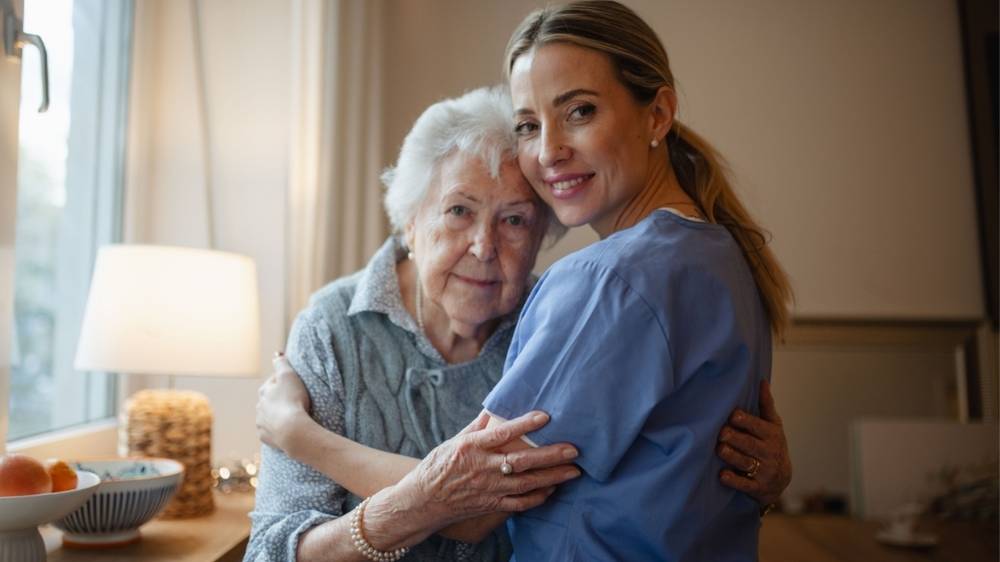
Dementia affects everyone differently, but a common thread is the increasing difficulty in processing new environments. A move to a new location can trigger ‘transfer trauma,’ leading to increased confusion, anxiety, and a faster decline in cognitive abilities. By opting for professional support within the home, the individual remains in a space where their ‘muscle memory’ still functions. They know where the kettle is, they know the creak of the third step, and they know exactly how to get to their favourite armchair.
Professional carers who specialise in dementia care at home Helensburgh understand that their role is to blend into this existing rhythm. They aren’t there to take over the house; they are there to facilitate a safe and dignified life within it. This approach allows for a much higher degree of person-centred care. Instead of following a rigid institutional schedule, the day is built around the individual’s preferences—whether that means a late breakfast or an evening walk when the town is quiet.
The benefits of staying in familiar surroundings
- Reduced risk of falls due to familiarity with the layout of the house.
- Consistency in daily routines, which is essential for managing symptoms like sundowning.
- Continued access to local social circles, neighbours, and Helensburgh’s community events.
- Personalised nutrition based on the foods the individual has always enjoyed.
- One-to-one attention that ensures emotional needs are met as well as physical ones.
How specialised care adapts to changing needs
One of the biggest concerns families have is whether home care can keep up as the condition progresses. It is a valid worry. However, the flexibility of dementia care at home Helensburgh is often its greatest strength. Support can start with just a few hours a week for companionship and light help, and gradually scale up to 24-hour live-in care if required. This gradual transition is much less jarring than a sudden move to a nursing home.
Specialised carers are trained to recognise the subtle shifts in behaviour that might indicate discomfort, illness, or frustration. In a home setting, these changes are easier to spot because the carer is focused entirely on one person. They can notice if a client is becoming more agitated by certain noises or if their appetite has changed, allowing for quicker interventions and adjustments to the care plan. This level of vigilance provides immense peace of mind for family members who may be juggling work and their own domestic responsibilities.
Supporting the wider family network
We often focus solely on the person with the diagnosis, but dementia is a journey that the whole family travels. The emotional toll on a spouse or an adult child acting as a primary carer can be staggering. Many people feel a sense of guilt for even thinking about bringing in outside help, but the reality is that professional support often saves relationships. When the burden of physical care, medication management, and constant supervision is shared with experts in dementia care at home Helensburgh, family members can go back to being a husband, a wife, or a daughter again.
Respite is not a luxury; it is a necessity for the long-term health of the entire family unit. Knowing that a qualified professional is managing the day-to-day challenges allows family members to enjoy ‘quality time’ rather than just ‘task time.’ Instead of spending a visit worrying about laundry or medication, you can spend it looking through old photos or simply sitting together in the garden.
Practical ways to make the home safer
While professional carers provide the human element of support, making small adjustments to the home environment can also make a significant difference. When arranging dementia care at home Helensburgh, it is worth considering these practical steps:
- Improving lighting in hallways and bathrooms to prevent trips during the night.
- Removing loose rugs or mats that could be a trip hazard.
- Using high-contrast colours for plates and toilet seats to help with visual perception issues.
- Installing simple signage on doors (e.g., a picture of a toilet) to help with navigation.
- Organising cupboards so that frequently used items are easy to see and reach.
The importance of local knowledge
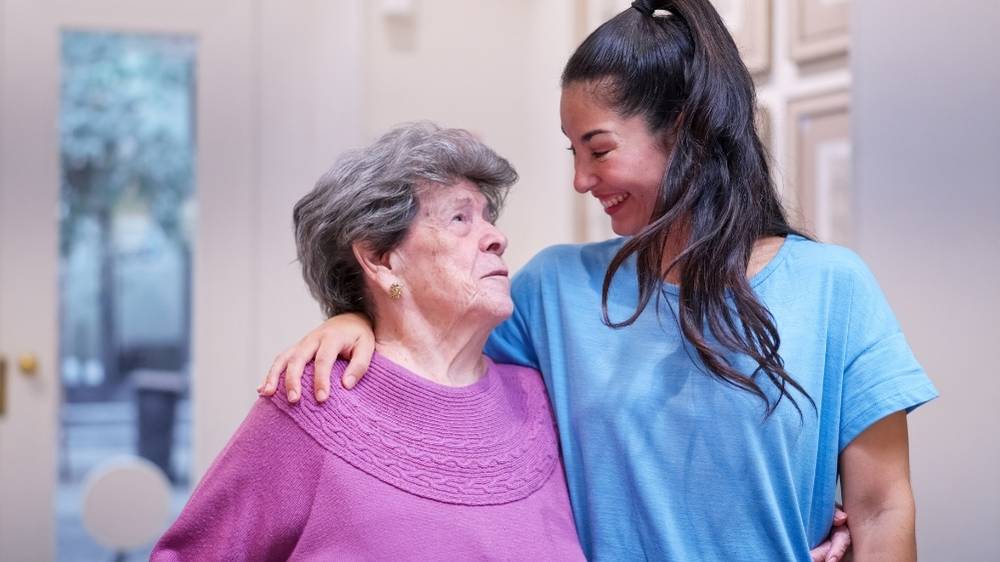
There is something uniquely reassuring about having carers who know the local area. Whether it’s knowing which cafes in Helensburgh are particularly dementia-friendly or understanding the local bus routes for a supervised outing, that local connection matters. It keeps the individual plugged into the world around them. A walk along the promenade or a visit to a local garden centre isn’t just an activity; it’s a way of remaining a part of the Helensburgh community.
This local focus also means that the care team is never far away. In a town like ours, where community spirit is strong, home care feels less like a clinical service and more like a neighbourly support system. The goal of dementia care at home Helensburgh is to ensure that life continues to be lived with purpose and joy, despite the challenges that dementia brings. It is about finding the ‘good days’ and making sure they happen as often as possible, right where the person feels safest and most loved.
As we look at the future of elderly support, the shift towards home-based solutions reflects a deeper understanding of what it means to age with dignity. By focusing on the individual’s history, their home, and their local environment, we can provide a level of care that is both deeply personal and highly effective. It is about more than just safety; it is about the quality of every single day spent in the place they call home.